
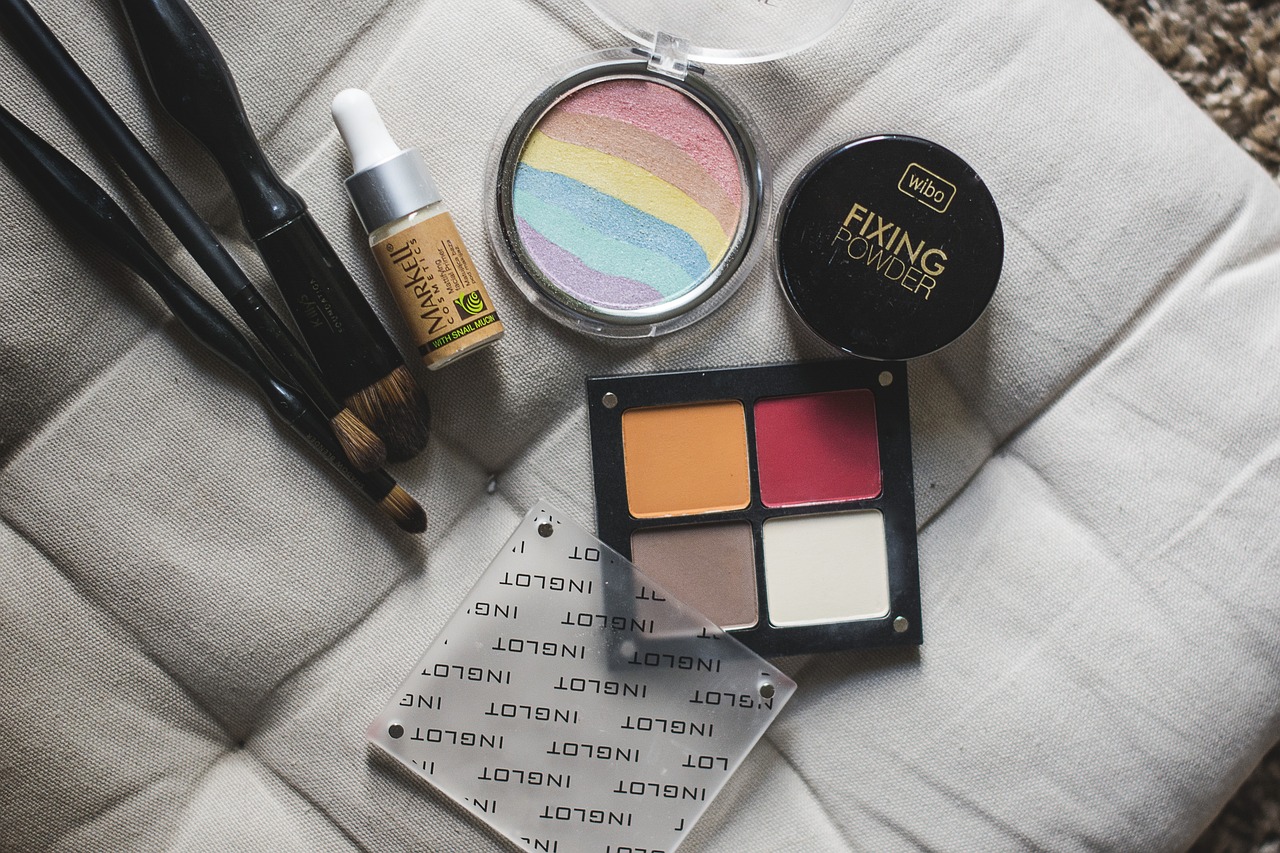
Let’s face it, we’ve all been there. It’s the morning rush. You’re putting on your makeup and you just want to put on your daily routine and get going. You may not even be awake. But, when you get back a little later, you probably have a counter full of dirty makeup brushes. How exactly do you keep them clean though? For better makeup tools and less messy makeup in general, try these tips to clean your basic makeup brushes.
How Often?
The good news is that you don’t really need to clean them every day unless you’re a professional makeup artist. If you are, every night is a must. But, for your own personal use, try to do this twice a week.
Brushes
Brushes are the staple of the makeup world. You may be using them to apply blush, powder, or any other number of uses throughout the week. In order to get the best clean, try a baby shampoo. Shampoo is designed to soak up oil, but baby shampoo is gentle enough to be used on your precious brushes. Use just a small amount of shampoo and clean your brushes thoroughly, lathering as you go. Rinse dry and then lie flat on a towel to let them dry. Most brushes should dry overnight, especially if you roll off the excess water after you’re done.
Nail Products
Files and clippers don’t build up as much dirt, but they can harbor bacteria if you’re not careful. Soak them in an antibacterial solution once a week and then wipe dry. Use antibacterial soap mixed with warm water to make your own solution at home.
Cleaning Sponges
Sponges are a problematic area in the makeup world. They’re great to apply an even texture, but they naturally absorb and it’s never easy to get them clean. Even if you clean your sponges regularly, be ready to replace them periodically. Since makeup sponges are more hardy than brushes, use an anti-bacterial soap to clean them. Press them in a towel to get rid of any excess water and then let dry. Since sponges are fairly inexpensive, you should be replacing them at least once a month, although most makeup artists use their sponges once. Consider switching yours out once a week for the best results.
Tweezers and Lash Curlers
These can stand up against harsher cleaning materials, so it’s important to clean them well. Spray them with an alcohol-based cleaner at least twice a week and then wipe off with a clean towel. You can also use alcohol wipes to clean them between clients for a quick fix.
Lipstick and Eye liner Applicators
If these are for your personal use, you can also use baby shampoo on these for a great clean. However, if you’re going to be working with clients professionally applying makeup, you need to get disposable ones. It’s too easy to spread bacteria from one person to another and you can’t clean them well enough to use them again safely on multiple people. Have a high-quality set for yourself that you clean and then buy single-use ones for others.
Bags and Containers
Any makeup bags should be cleaned every few months, or as needed. If possible, put them through a wash cycle. But, if not, shake out any excess makeup powder and then wipe out thoroughly with antibacterial wipes. This will keep bacteria from growing in these places.
General Tips
No matter how nice your makeup brushes are, they will need to be eventually replaced. As a general rule, brushes you use for dry powders tend to last the longest, while makeup tools used to apply liquid foundation, gels, and other semi-liquid makeups will not be around for quite as long. In order to keep your materials free of bacteria and looking nice, clean them regularly. This habit will extend the life of your makeup tools and give you the best results on yourself and other people.
Image courtesy of MisterMong / FreeDigitalPhotos.net